
Kaunas has a distinct character: a Gothic castle at the meeting point of two rivers, interwar modernist architecture, long pedestrian streets, unusual museums, street art, and green parks. If you are wondering what to see in Kaunas on your first visit, this guide helps you put the essentials in order without bouncing between ten different lists.
Here you will find the city’s key attractions, a clear comparison table, and one-day and weekend routes. Where it matters, we have added practical notes on transport and timing. Opening hours and ticket prices change, so before visiting, always check official venue websites or Visit Kaunas.
If you are staying for more than a weekend, combine this attractions guide with our advice on where to live in Kaunas for a month or longer and our guide to the best places to work remotely in Kaunas for a practical weekday base. You can also read about the Sparta coHome website improvements to see how room details and the room-application process are presented online.
Kaunas attractions: a quick overview
| Attraction | Best for | Time needed | Access | Why it is worth it |
|---|---|---|---|---|
| Kaunas Castle | history, photography | 1 hour | central | one of the city’s oldest symbols at the confluence of the Nemunas and Neris |
| Santaka Park | walking, relaxing | 1 hour | central | green space beside the castle and the meeting point of two rivers |
| Town Hall Square | architecture, city atmosphere | 30 to 45 min | central | the White Swan, Old Town courtyards, cafes, and historic surroundings |
| Vilniaus Street and the Old Town | a slow walk | 1 to 2 hours | central | a mix of Gothic, Renaissance, cafes, and small courtyards |
| Laisvės alėja | cafes, walking, the centre | 1 to 2 hours | central | one of the main pedestrian axes of Kaunas |
| Soboras | architecture | 30 min | central | a striking landmark and city reference point on Laisvės alėja |
| M. K. Čiurlionis Museum | art and culture | 1.5 to 2 hours | central | one of Lithuania’s most important art museums |
| Devil’s Museum | an unconventional museum | 1 hour | central | a unique collection of devil figures and folk culture |
| IX Fort | history, memorial | 1.5 to 2 hours | transport needed | an important site of Holocaust, occupation, and fortress history |
| Pažaislis Monastery | Baroque, calm, nature | 1.5 to 2 hours | transport needed | one of the most beautiful Baroque ensembles in Lithuania |
| Aleksotas viewpoint | panorama | 45 to 60 min | on foot, by funicular, or by transport | the classic Kaunas view of the Old Town and the rivers |
| Žaliakalnis and Resurrection Basilica | architecture, panorama | 1 to 1.5 hours | funicular or a short trip | a modernist church and a wide view of the city |
Kaunas Old Town: the castle, Santaka, Town Hall, and Vilniaus Street
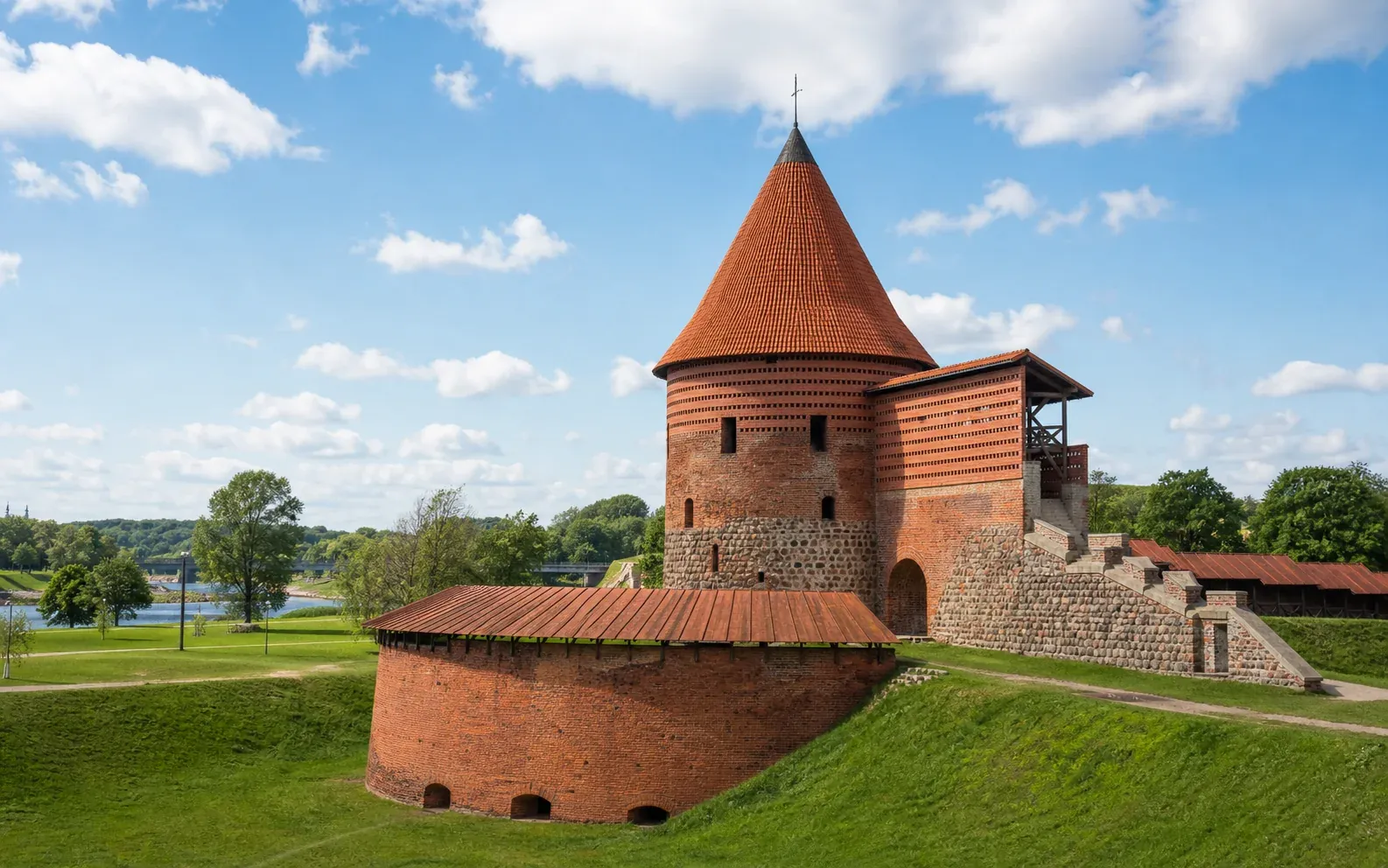
Kaunas Castle and Santaka Park
Kaunas Castle is one of the city’s key symbols. It stands where the Nemunas and Neris meet, so it makes sense to start here and then walk straight into Santaka Park. It is a good place to feel the city’s foundations at once: history, rivers, green space, and local people out for a walk.
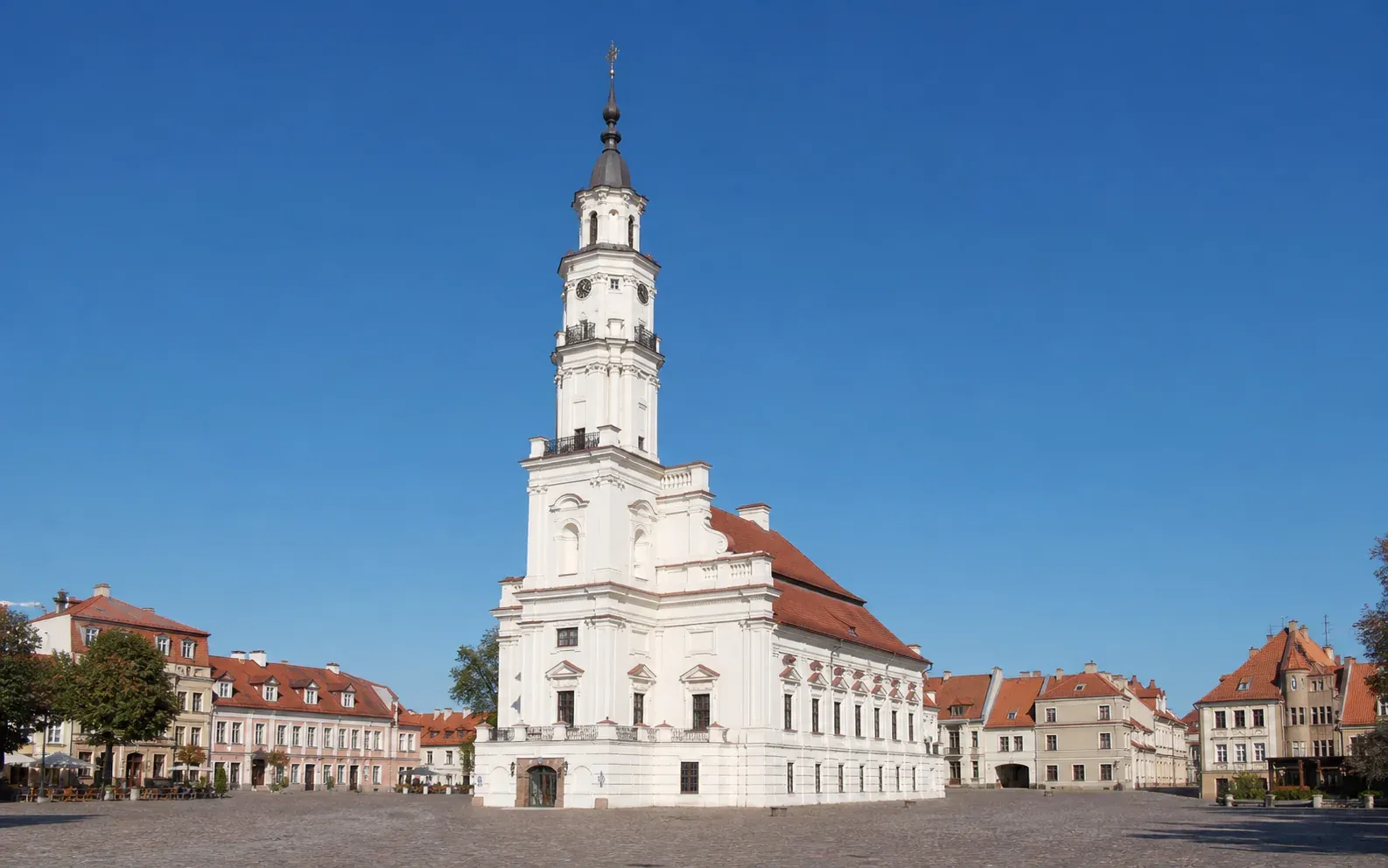
Town Hall Square and the White Swan
Kaunas Town Hall, often nicknamed the White Swan, is the centrepiece of Town Hall Square. Around it you will find historic buildings, cafes, small courtyards, and entrances to Vilniaus Street. It is a photogenic spot, but the point is not only to take a photo. Give yourself time to walk the surrounding courtyards, because that is where the scale and character of the Old Town come through.
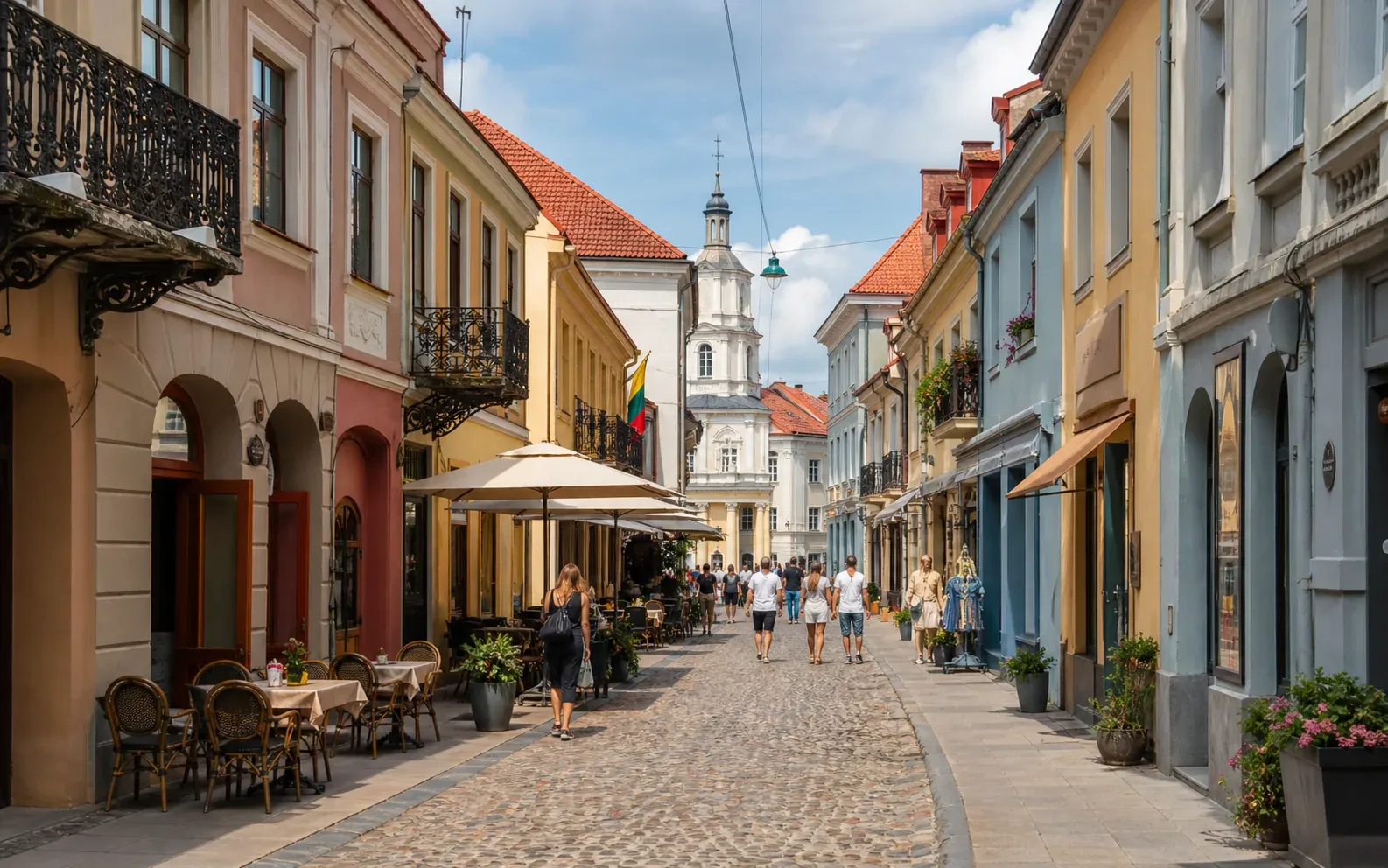
Vilniaus Street and the Old Town
Vilniaus Street connects Town Hall Square with Laisvės alėja. Walk it slowly: stop by the House of Perkūnas, look up at the facades, step into a cafe, and do not try to see everything in fifteen minutes. The Old Town is not large, but its strength is the atmosphere.
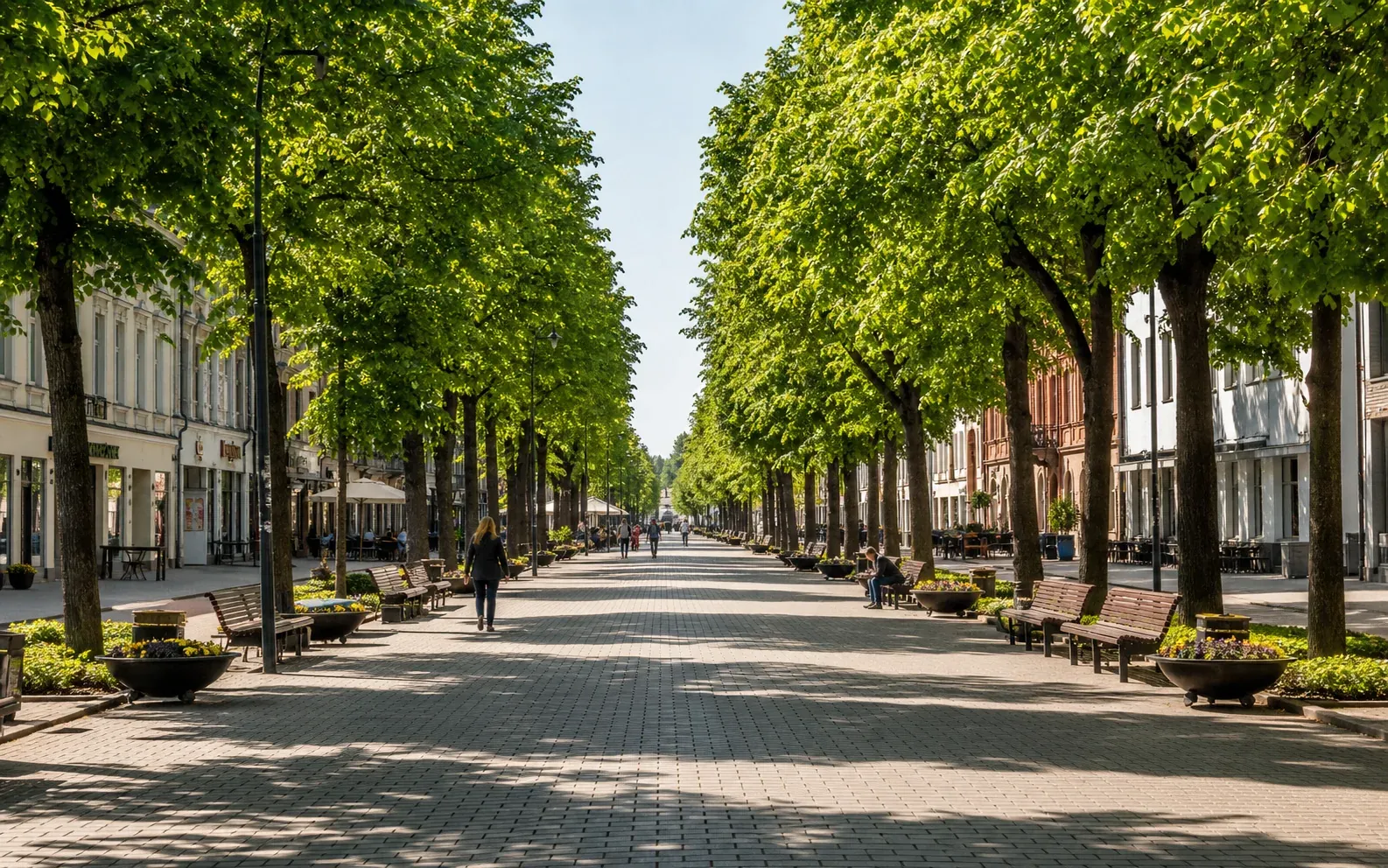
Laisvės alėja and the attractions of Naujamiestis
Laisvės alėja is one of the main axes of Kaunas. It is pedestrian-only, which makes it excellent for walking, stopping for coffee, and watching the city move around you. Walking from the Old Town side towards Soboras, you gradually pass from the historic part of Kaunas into its modernist part.
Soboras: the strongest landmark on Laisvės alėja
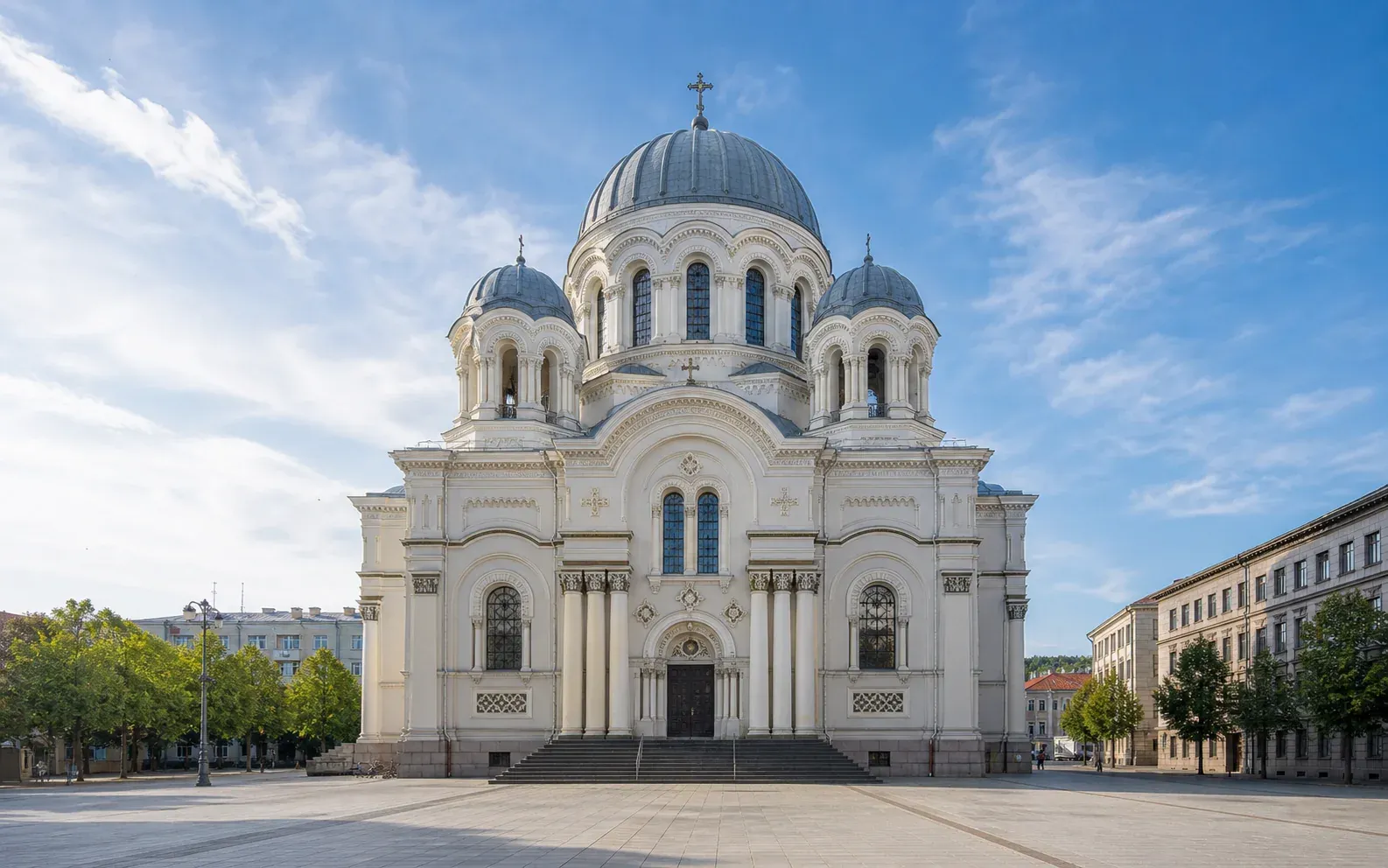
St. Michael the Archangel Church, known locally as Soboras, stands at the far end of Laisvės alėja. Its domes are visible from a distance, so it is a handy reference point and a natural goal for a walk. Even if you do not go inside, it is worth walking around the building and taking in the scale of Independence Square, then deciding whether to continue towards Žaliakalnis or head back to the cafes on the avenue.
The interwar modernism route
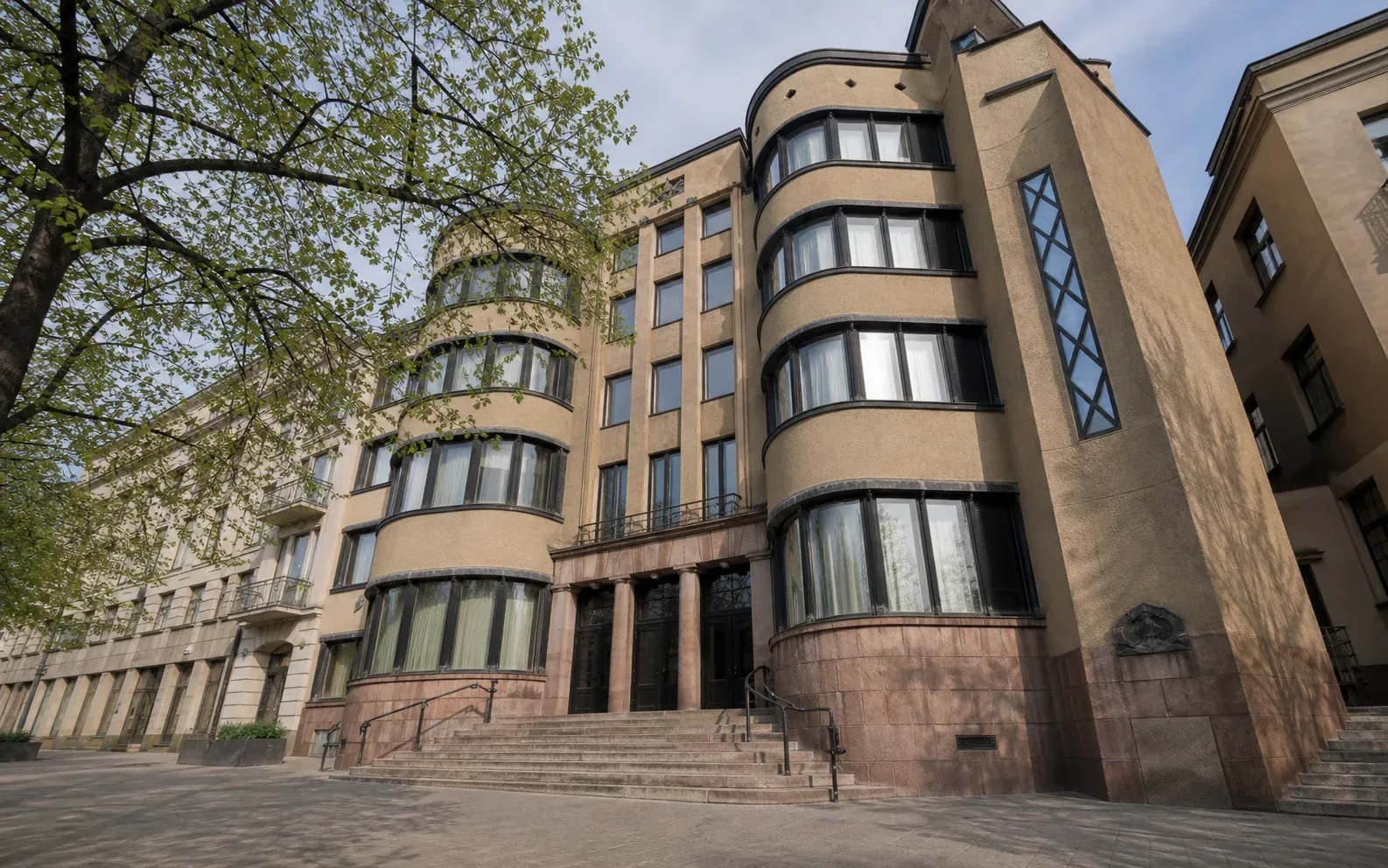
If you want to do more than just walk down Laisvės alėja and would like to understand the character of Kaunas better, this is a good place to start a short interwar modernism route. Walk around Soboras, turn towards K. Donelaičio Street, V. Putvinskio Street, or Vytautas Avenue, and watch the rhythm of the facades, the rounded corners, the stairwells, and the functional forms. It is a comfortable walking route, because many significant buildings are only minutes apart.
Kaunas State Musical Theatre and the spaces around it
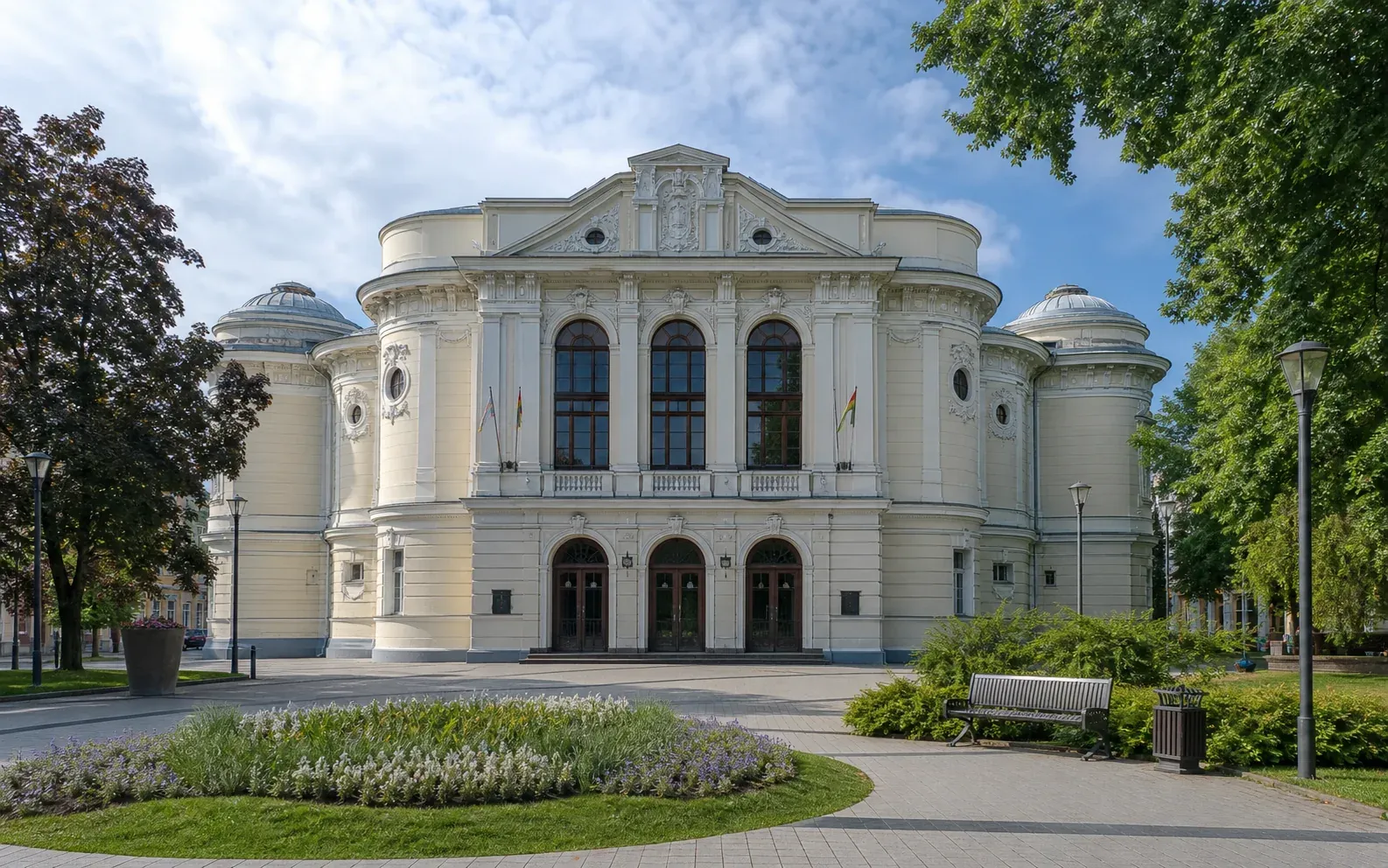
Near Laisvės alėja stands the Kaunas State Musical Theatre, and the garden beside it and the surrounding streets give the centre a different rhythm. It is a convenient place to pause before a performance, an evening walk, or continuing your route towards Nemunas Island. This part of the city shows well how representative architecture, everyday city life, and event culture meet in Kaunas.
Museums in Kaunas: what to choose if you only have one or two hours
M. K. Čiurlionis National Museum of Art
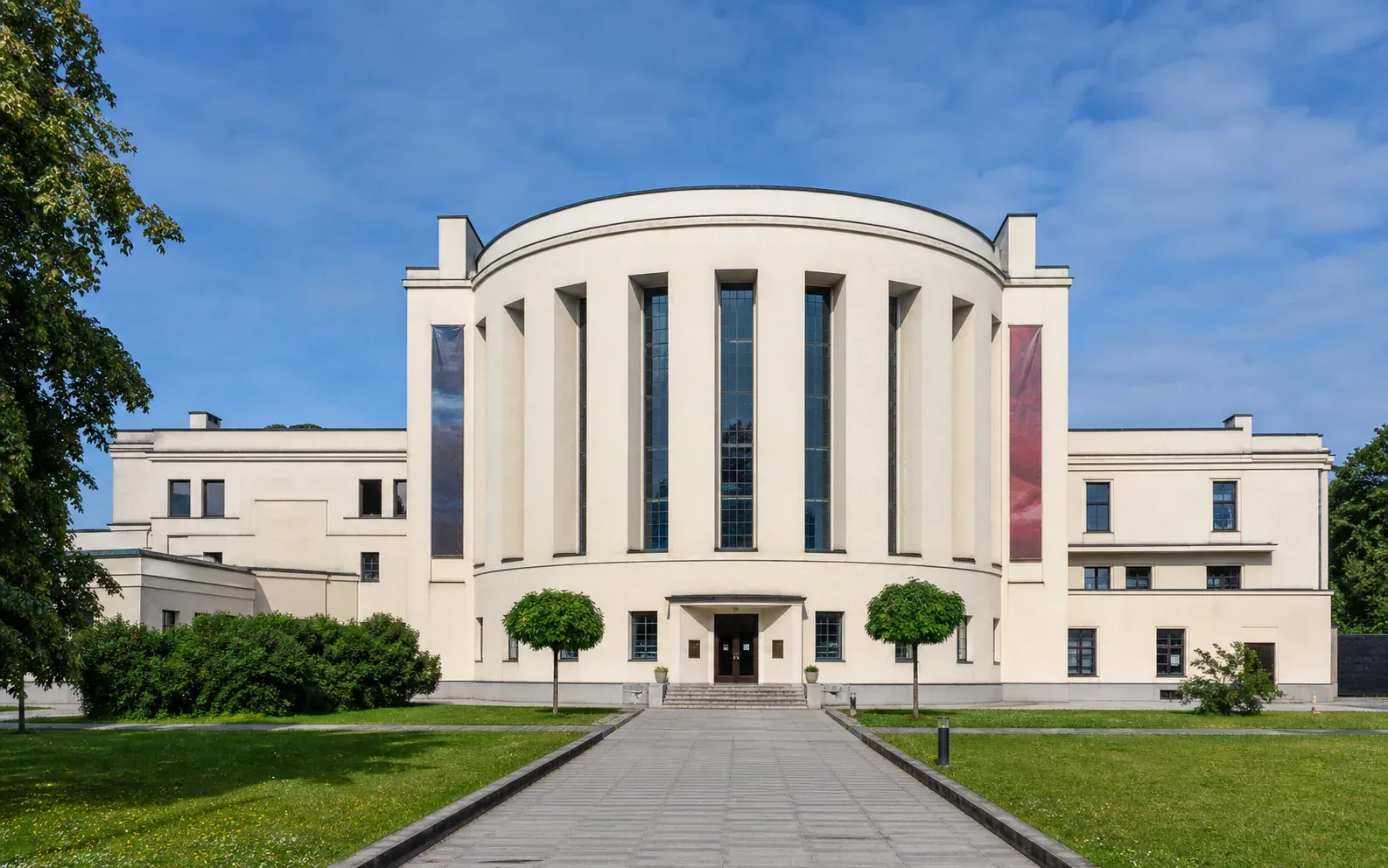
If you want one serious cultural stop in Kaunas, choose the M. K. Čiurlionis Museum. Čiurlionis’s work is an important part of Lithuanian culture, and the museum lets you see more than individual paintings. It is a good place for a calmer afternoon, especially if the weather outside is poor. Best for: art and culture lovers, and a rainy-day plan.
Devil’s Museum
The Devil’s Museum is a lighter, more unexpected, and very Kaunas choice. It gathers devil figures and masks from different cultures, so it appeals even to people who usually avoid classic exhibitions. It is a good second museum after Čiurlionis, since the two are close to each other. Best for: unexpected choices and families with children.
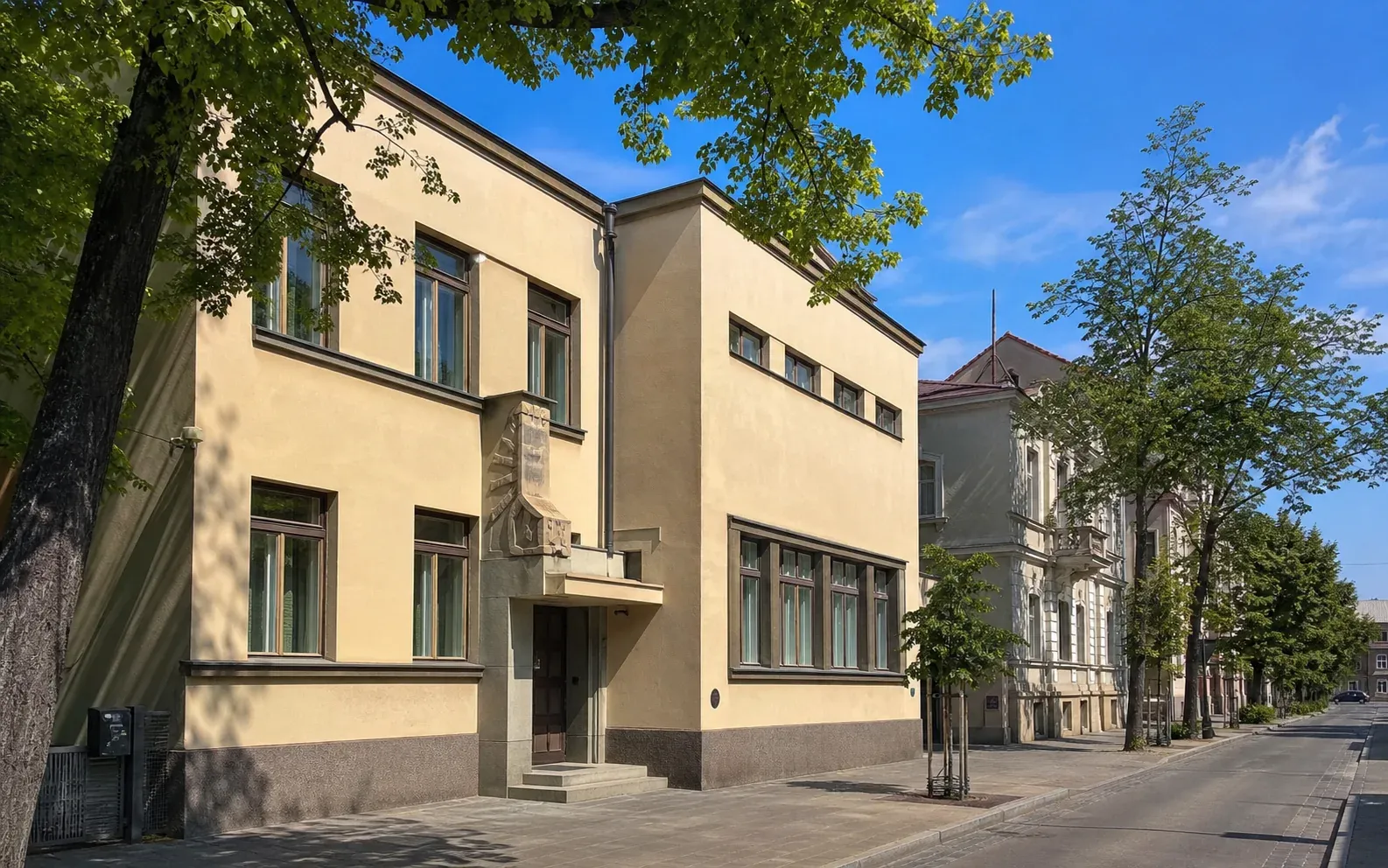
The places listed below are outside the centre and reached by public transport or car. Allow extra travel time.
IX Fort
IX Fort is a separate, more serious route. It is a memorial site connected to the Holocaust, the occupations, and the history of the Kaunas Fortress. Allow at least half a day including travel. It is not an entertainment attraction, but it is essential for understanding the city’s history more deeply. Best for: those who want to understand 20th-century Lithuanian history.
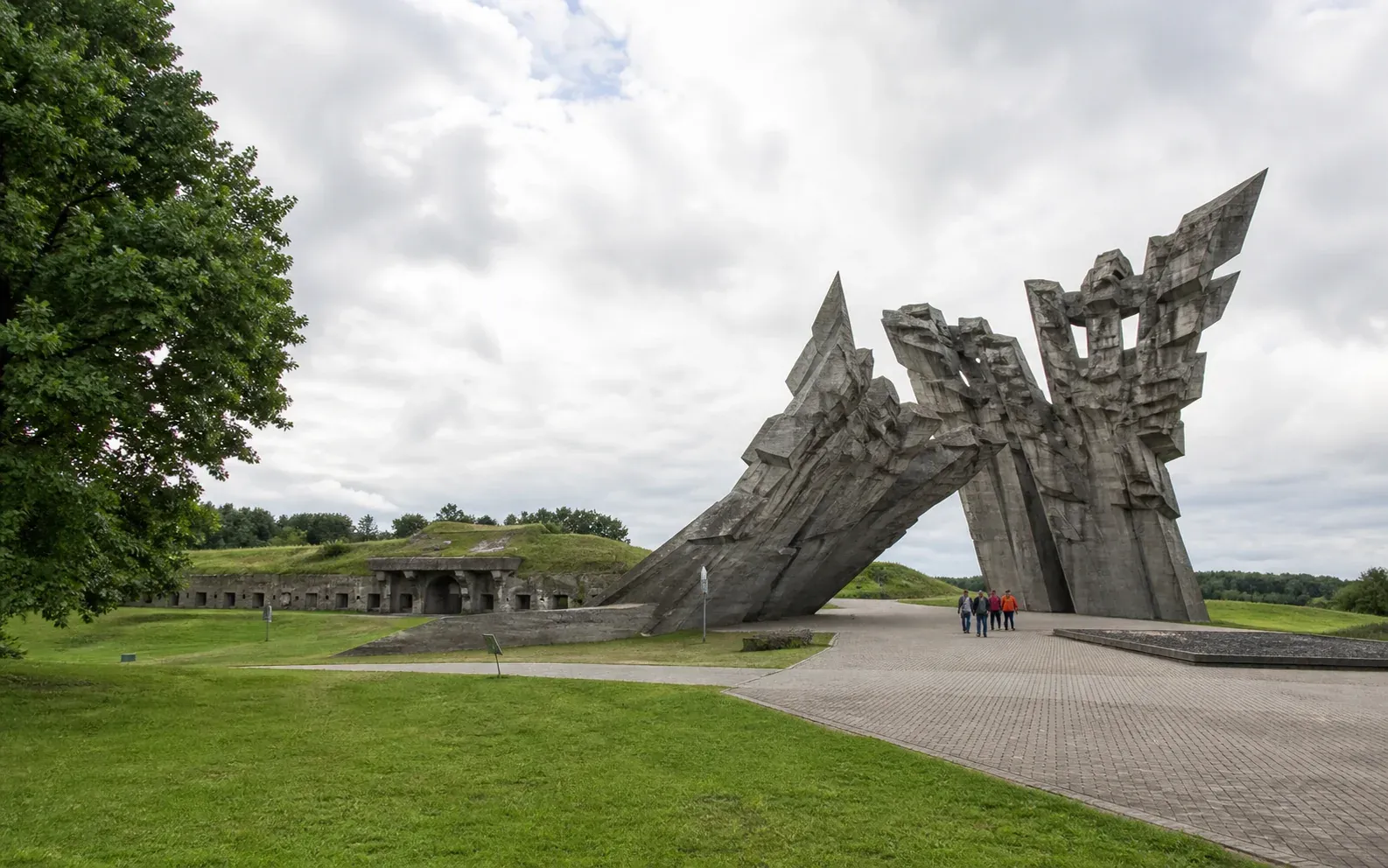
It is easiest to arrive by bus or car; the trip from the centre usually takes about 15 to 20 minutes. It is best to plan a morning visit, when you will have more time for the exhibition and the memorial itself. Entry is paid, so check the current ticket price on the Visit Kaunas website before you go.
The best panoramic views in Kaunas
Aleksotas viewpoint
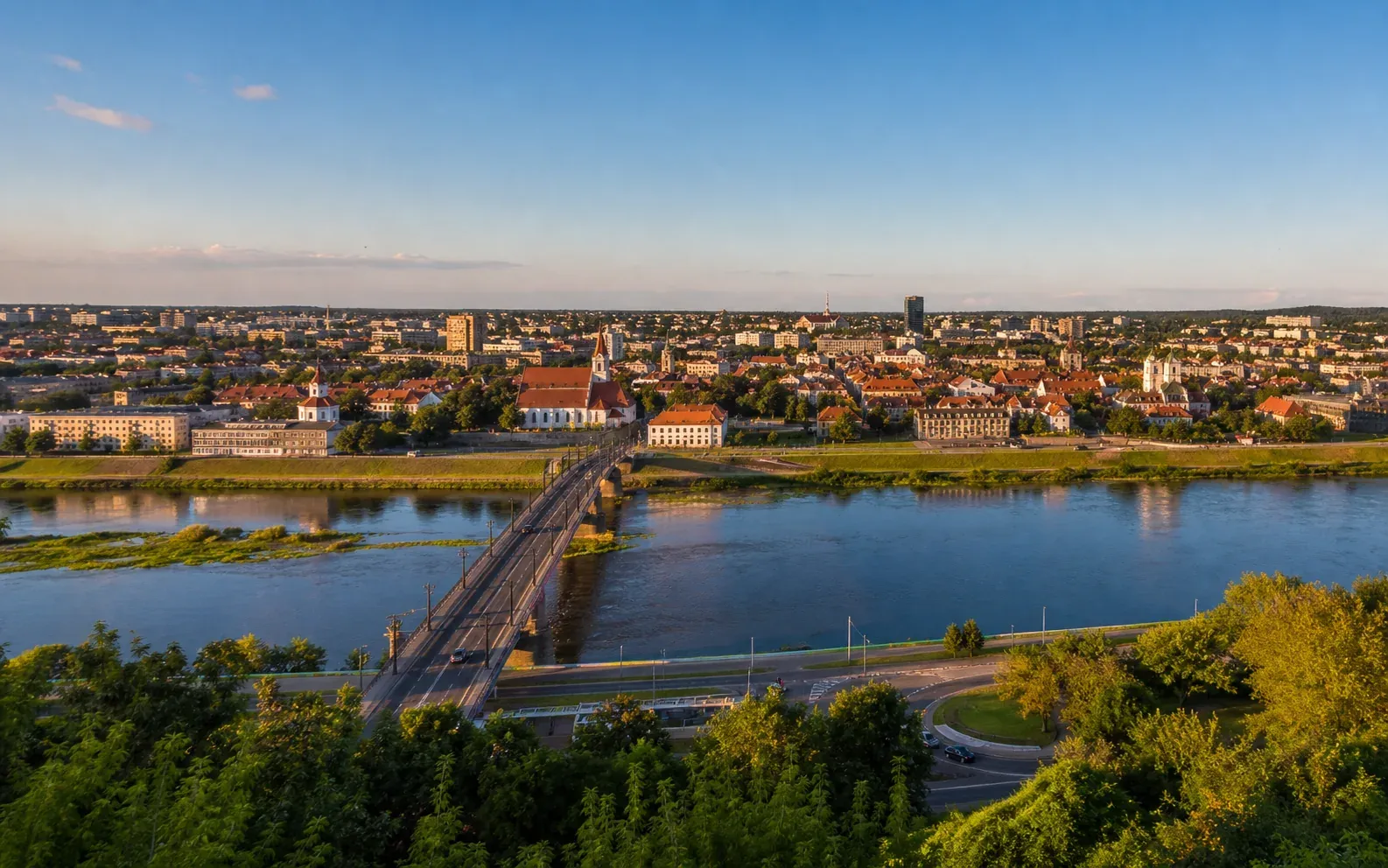
The Aleksotas viewpoint is the classic Kaunas panorama. From here you can see the Old Town, the castle, the rivers, and the rooftops of the centre. If the funicular is running, it is worth taking, because it is part of the Kaunas experience. If the funicular is not working, you can walk up to the viewpoint or arrive by transport.
Žaliakalnis and Christ’s Resurrection Basilica
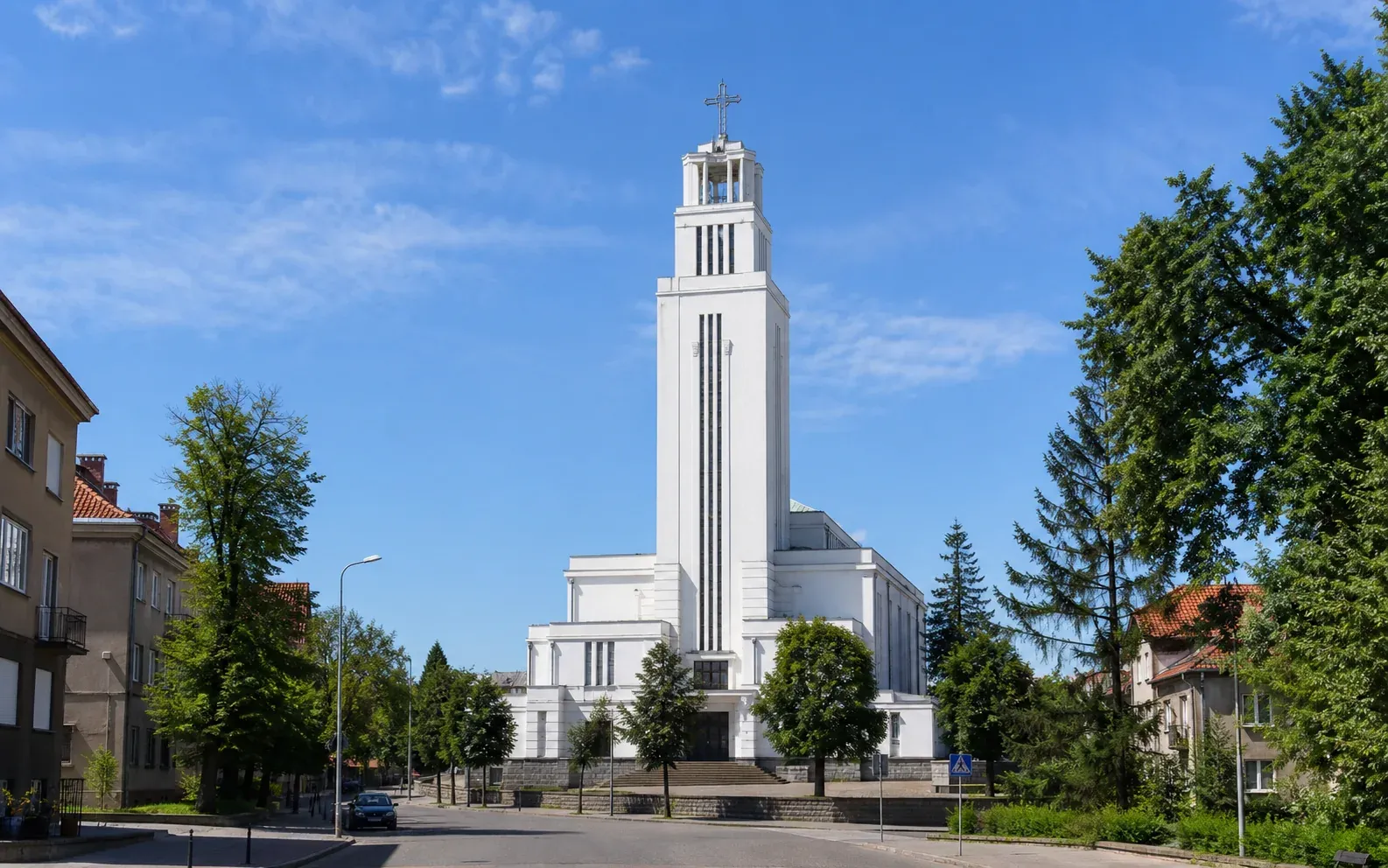
Žaliakalnis lets you see a different Kaunas: calmer, greener, and full of interwar architecture. Christ’s Resurrection Basilica is one of the largest modernist architecture sites in the city, and its terrace, when open to visitors, offers a wide view over Kaunas.
Pažaislis Monastery: Baroque by the Kaunas Reservoir
Pažaislis Monastery is farther from the centre, but it is worth a dedicated trip. It is one of the most beautiful Baroque architecture ensembles in Lithuania, set in a peaceful area by the Kaunas Reservoir. It is especially suited to a slower day, when you no longer want only city streets and would like more space, nature, and architecture. Once there, it is worth not only seeing the church interior but also slowly walking the whole ensemble and heading down towards the water, because that is the best way to feel the calm and scale of the place.
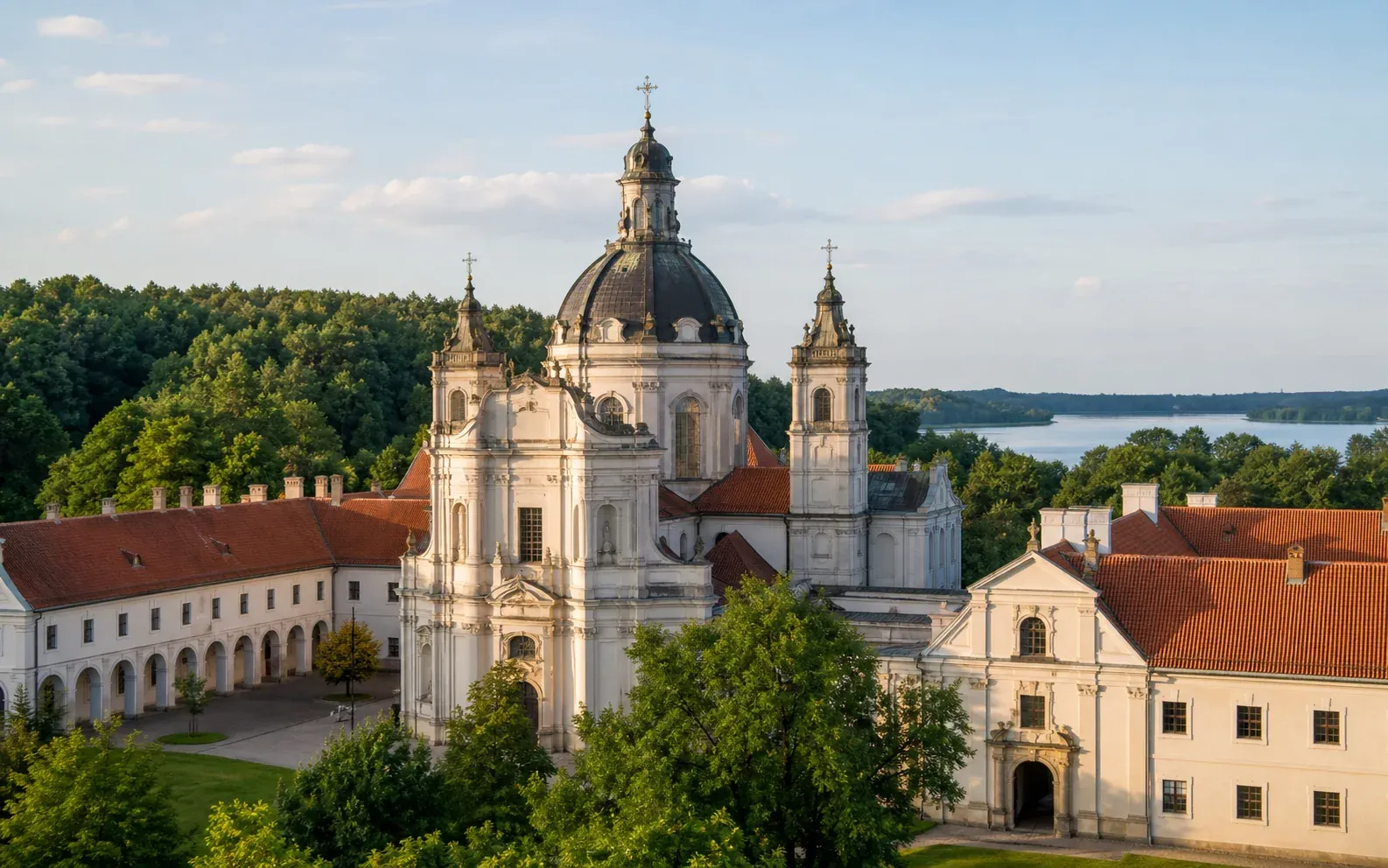
It is convenient to reach Pažaislis by bus or by bike along the Kaunas Reservoir; the distance from the centre is about 8 km. It is most pleasant to visit in spring and summer, when the waterside setting is at its best. Some spaces or events may be paid, so check the current information from official sources before your trip.
Kaunas modernist architecture and street art
Between the world wars, Kaunas was the temporary capital of Lithuania, so today the city is worth exploring not only through individual sites but through a whole walking route. If you are crossing the centre, stop at a few specific places that best show the scale of Kaunas modernism and make it easier to understand why this architecture matters so much here.
- Central Post Office, Laisvės al. 102, one of the clearest examples of representative modernism in the very heart of the city.
- Pienocentras Palace, Vytauto pr. 23, an elegant interwar commercial building that is easy to add to a walk from the station towards the centre.
- Žalgiris Stadium, the old complex, an important marker of sports history and modernist city development in Naujamiestis.
- Christ’s Resurrection Basilica, Žaliakalnis, a modernist symbol of Kaunas, notable for both its architecture and the panorama from its terrace.
- Kaunas State Musical Theatre, a good stop to see how representative city spaces connect with cultural life.
- Nemunas Island and the modernist residential districts, a good place to see the wider urban layer and compare the centre with the calmer surrounding areas.
Street art adds a contemporary layer to this route. You will find murals in Naujamiestis, around the edges of the Old Town, in Aleksotas, and in other districts, so it is worth leaving room for spontaneous detours from your plan. For a more precise route, use the updated Visit Kaunas street art map, because the works and their locations in the city change.
What to do in Kaunas in one day
- Morning: Kaunas Castle, Santaka Park, Town Hall Square.
- Late morning: Vilniaus Street and coffee in the Old Town.
- Lunch: a cafe on Laisvės alėja or in the Old Town.
- Afternoon: M. K. Čiurlionis Museum or the Devil’s Museum.
- Evening: Soboras, Laisvės alėja, dinner in the centre.
A weekend route in Kaunas
Day 1: the centre and the viewpoints
- Morning: start with Kaunas Castle, Santaka Park, and Town Hall Square.
- Late morning: walk Vilniaus Street slowly and give time to the Old Town courtyards and coffee.
- Lunch: head to Laisvės alėja and pick one of the cafes or restaurants in the centre.
- Afternoon: visit the M. K. Čiurlionis Museum or the Devil’s Museum, depending on the mood and the weather.
- Evening: reach Soboras, and before sunset go to the Aleksotas viewpoint or Žaliakalnis.
Day 2: history and Baroque
- Morning: head to IX Fort and give time not only to the exhibition but also to the memorial space.
- Lunch: on the way back to the centre, plan a short cafe stop or lunch on the way to Pažaislis.
- Afternoon: visit Pažaislis Monastery and walk by the Kaunas Reservoir.
- Late afternoon: if you still have energy, drop by Nemunas Island for a short walk.
- Evening: check whether there is a game, concert, or other event on at Žalgiris Arena.
Sparta coHome: a comfortable base for discovering Kaunas more slowly
If you want to spend not just a weekend in Kaunas, but a month or longer, where you stay matters.Sparta coHome is at Miško St. 16 in central Kaunas. From here, it is easy to reach Laisvės alėja, the Old Town, Soboras, cafes, and public transport.
Our private rooms with workspaces suit people who want not just to visit Kaunas, but to live here for a while, work, and get to know the city at their own pace. If you have questions about an available room, get in touch.
Frequently asked questions
How many days do you need to see Kaunas?
You can see the main attractions in 2 days. In one day, you can cover the Old Town, Kaunas Castle, Laisvės alėja, and one museum. A full weekend lets you add IX Fort, Pažaislis Monastery, and some of the city viewpoints.
What should I see in Kaunas on my first visit?
Start with Kaunas Castle, Santaka Park, Town Hall Square, Vilniaus Street, Laisvės alėja, Soboras, and one museum. If you have more time, add the Aleksotas viewpoint, IX Fort, and Pažaislis Monastery.
Where are the best panoramic views in Kaunas?
The most popular viewpoints are the Aleksotas viewpoint, the terrace of Christ’s Resurrection Basilica, and the slopes of Žaliakalnis. The Aleksotas side is especially good for sunset, because it offers a clear view of the Old Town, the rivers, and the rooftops of the centre.
Can you reach Kaunas attractions on foot?
Most central attractions are walkable: Kaunas Castle, the Old Town, the Town Hall, Laisvės alėja, Soboras, the M. K. Čiurlionis Museum, and the Devil’s Museum. For IX Fort and Pažaislis Monastery you will usually need public transport, a bike, or a car.
Is IX Fort worth visiting?
Yes, if you want to understand the 20th-century history of Kaunas and Lithuania more deeply. IX Fort is an important memorial to the Holocaust, the occupations, and repression. It is not light entertainment, but it is one of the most significant historical sites in the city.
What can you do in Kaunas on a rainy day?
On a rainy day, choose the M. K. Čiurlionis Museum, the Devil’s Museum, a Kaunas modernist architecture route with cafe stops, libraries, or events at Žalgiris Arena. The Old Town and Laisvės alėja are also convenient, because many places are close to one another.
Where is a convenient place to stay to explore Kaunas?
The most convenient place to stay is in the centre or near Laisvės alėja, because most attractions will be within walking distance. Sparta coHome is on Miško Street in central Kaunas, so it suits people who want to explore the city more slowly and stay for at least a month.
When is the best time to visit Kaunas?
The best time is from May to September, when the terraces are open, it is pleasant to walk by the rivers, there are more events, and the viewpoints are easier to reach. In winter Kaunas is quieter, but the museums, cafes, and central routes still work.